Introduction
introductionAreola surgery has grown in popularity as a transformative procedure, not only for aesthetic enhancement but also for post-surgery or injury reconstruction. Whether you’re looking to correct asymmetry, reduce the size of enlarged areolas, or reconstruct the nipple-areola complex following breast cancer surgery, this procedure offers a wide range of benefits. Beyond improving physical appearance, areola surgery can be life-changing for patients recovering from cancer or trauma, restoring both function and appearance.
At Dite Plastic Surgery in Seoul, South Korea, Dr. Jun Wook Lee, with over 20 years of experience, ensures that each patient’s procedure is tailored to meet their specific needs. Dr. Lee and his team use cutting-edge technology to provide both functional and aesthetic solutions, helping patients regain confidence in their bodies. This guide will walk you through what to expect before, during, and after your surgery.
What is Areola Surgery?
what-is-areola-surgeryAreola surgery involves procedures that alter the size, shape, or pigmentation of the areola, addressing both cosmetic and medical concerns. It’s most commonly requested by individuals dealing with:
Asymmetry: When one areola is larger or shaped differently than the other.
Post-Pregnancy Changes: Pregnancy and breastfeeding can cause the areola to stretch or change color, prompting many women to seek restoration.
Breast Cancer Reconstruction: For women who have undergone mastectomy, areola reconstruction is often a key step in restoring the appearance of the breast.
Different techniques are employed depending on the desired outcome:
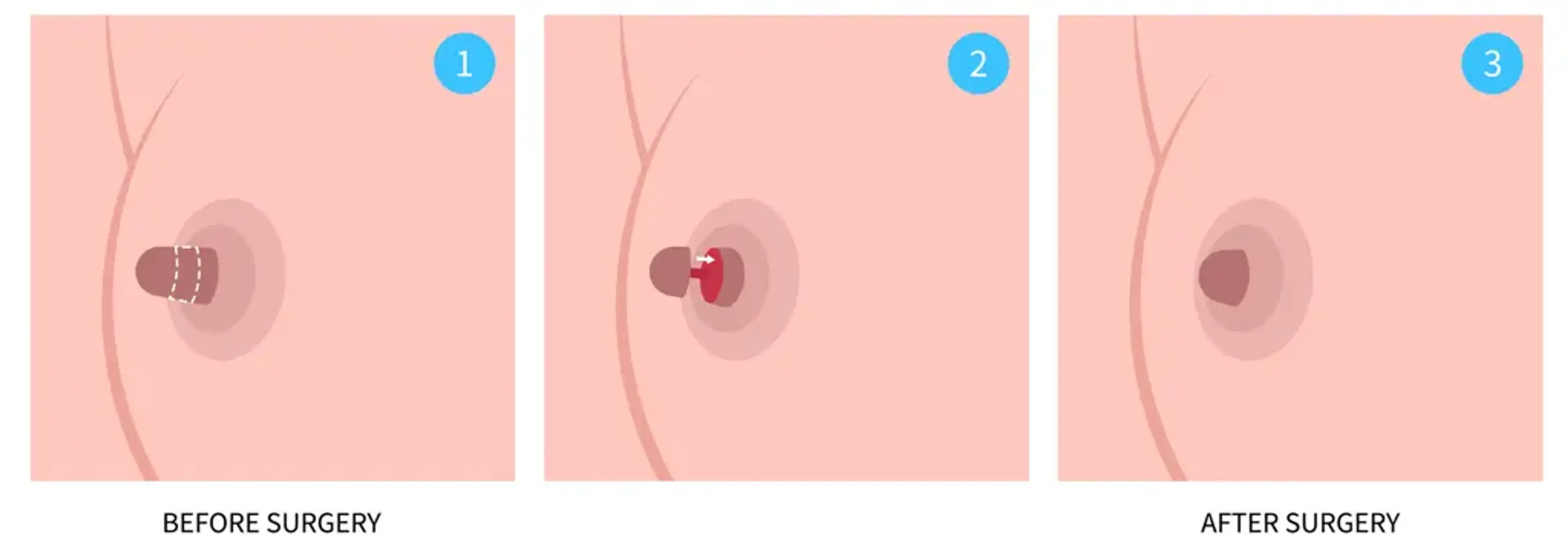
Areola Reduction: This procedure removes excess skin around the areola to create a more proportionate size, often requested by patients with large or elongated areolas.
Areola Reshaping: Individuals with irregularly shaped areolas benefit from reshaping, which involves contouring the tissue to achieve a balanced and symmetrical appearance.
Areola Reconstruction: Typically needed after mastectomy or injury, this procedure recreates the nipple-areola complex using skin grafts or other tissue from the breast.
Dr. Jun Wook Lee ensures that each procedure is customized based on the patient’s anatomy and aesthetic goals, using the latest techniques for natural-looking results.
Why Choose Areola Surgery?
why-choose-areola-surgery
Areola surgery provides both aesthetic and emotional benefits. While many individuals seek the procedure to improve the physical appearance of their breasts, the emotional impact of the surgery is just as significant. Some of the key reasons people choose areola surgery include:
Aesthetic Enhancement: Many patients seek surgery to restore symmetry to the areola area. Whether after pregnancy, weight fluctuations, or breast-related surgeries, correcting imbalances can help restore harmony to the breast contour.
Emotional and Psychological Benefits: For patients recovering from breast cancer, restoring the areola through reconstruction provides emotional healing. It can restore a sense of wholeness and improve body image, allowing patients to regain confidence in their appearance.
Post-Surgery Recovery: For those who’ve had mastectomies or breast reductions, areola surgery plays an important role in completing the recovery process, making the breast look natural and symmetric.
Male Gynecomastia: Men with enlarged areolas due to gynecomastia can also benefit from
areola surgery, improving both chest aesthetics and self-confidence.
Dr. Lee’s patient-centered approach ensures that each individual’s journey is both personal and compassionate, addressing both cosmetic concerns and emotional recovery.
Is Areola Surgery Right for You?
is-areola-surgery-right-for-youDetermining whether areola surgery is the right solution requires a thorough consultation with an experienced surgeon. Dr. Lee will help evaluate whether the procedure aligns with your goals. Consider the following factors when deciding if the surgery is suitable:
Areola Asymmetry: If one of your areolas is significantly different in size or shape compared to the other, surgery can help restore balance.
Breast Reconstruction Needs: After mastectomy or trauma, areola reconstruction may be necessary to restore the breast’s natural appearance.
Post-Breastfeeding Changes: Women who experience changes to the areola after pregnancy and breastfeeding can benefit from areola surgery to restore their natural breast aesthetics.
Male Gynecomastia: Areola surgery can help men who have enlarged areolas due to gynecomastia, enhancing the overall look of the chest.
If you are healthy and have realistic expectations, you could be a good candidate for this procedure.
Dr. Lee and his team will assess your individual needs and create a personalized treatment plan for you.
Preparing for Areola Surgery
preparing-for-areola-surgeryPreparation is essential for ensuring a smooth procedure and recovery. Here’s what you can expect leading up to your surgery:
Consultation: During your initial consultation, Dr. Lee will evaluate your health, discuss your aesthetic goals, and review any medical conditions that might impact surgery. This is also the time to address any concerns and ensure you have realistic expectations for your results.
Pre-Surgical Tests: You may need blood work or other medical evaluations to ensure you’re fit for surgery. If you have any underlying conditions such as diabetes or hypertension, these will be addressed during your consultation.
Lifestyle Adjustments: Dr. Lee may advise you to stop smoking and avoid blood-thinning medications for 2-4 weeks before surgery. This helps minimize risks and promotes optimal healing.
Diet and Hydration: A healthy diet and hydration are essential before surgery. On the night before your procedure, you will be asked to fast to ensure safety during anesthesia.
Post-Surgery Support: It’s important to arrange for assistance during the first few days after surgery. You’ll need someone to drive you home after the procedure and help with daily tasks as you recover.
The Procedure: Step-by-Step
the-procedure:-step-by-stepAreola surgery is typically performed under local anesthesia, although general anesthesia may be used for more complex cases. The procedure usually lasts between 1-2 hours, depending on the type of surgery being performed. Here’s a breakdown of the steps:
Anesthesia: Local anesthesia is administered to numb the area. For extensive procedures like reconstruction, general anesthesia may be used to ensure comfort.
Incision Placement: Small incisions are made around the areola to either reduce its size or reshape it. For reconstruction, skin grafts or tissue from the breast may be used to recreate the areola.
Closing Incisions: After the procedure, the incisions are closed with fine sutures. These are usually dissolvable, meaning there’s no need for a follow-up visit to remove them.
Post-Operative Care: You’ll be monitored for a short period as the anesthesia wears off. Detailed instructions on incision care, managing pain, and what to expect during recovery will be provided.
Post-Surgery Recovery Timeline
post-surgery-recovery-timeline
Recovery varies from patient to patient, but here’s a general timeline of what you can expect:
Day 1-2: Expect mild swelling and bruising. Rest is essential, and pain can be managed with prescribed medications.
Week 1: You may be advised to wear a supportive bra to help with healing. Strenuous activities should be avoided.
Week 2-4: Swelling should subside, and most patients feel comfortable resuming light activities. Follow-up appointments will be scheduled to monitor healing progress.
1-3 Months: By this time, the majority of swelling and bruising will have diminished, and the final results will start to become visible.
6 Months to 1 Year: Complete healing takes about a year, but most patients see the final results within 6 months.
Managing Pain and Discomfort
managing-pain-and-discomfortPost-surgery pain is typically mild to moderate and can be managed effectively:
Pain Management: Mild discomfort is common during the first few days, but can usually be controlled with prescribed medications.
Cold Compresses: Applying a cold compress during the first 48 hours can help reduce swelling and numb the area.
Elevation and Rest: Keeping your head elevated while resting helps reduce swelling and promotes healing.
Risks and Complications
risks-and-complicationsLike any surgical procedure, there are some risks associated with areola surgery, although they are rare:
Infection: This risk can be minimized by following proper aftercare instructions.
Scarring: While scarring is inevitable, it is generally minimal and fades over time, especially with the use of fine sutures and advanced techniques.
Changes in Sensation: Some patients may experience temporary numbness or hypersensitivity around the areola, though this typically resolves over time.
Uneven Results: As with any cosmetic procedure, results may vary, and minor adjustments might be necessary during follow-up appointments.
Conclusion
conclusionAreola surgery can be a life-changing procedure, offering both aesthetic and emotional benefits. Whether you're undergoing the surgery for cosmetic reasons or as part of breast cancer recovery, the results can significantly enhance your body image and self-esteem. At
Dite Plastic Surgery, Dr. Jun Wook Lee provides expert care and ensures that each procedure is customized to meet your unique needs, helping you achieve natural, beautiful results. Contact us today to learn more about how areola surgery can help you achieve the results you deserve.