Home / Articles
Breast Lift Surgery: Correct Breast Ptosis and Boost Confidence
Home / Articles
Breast Lift Surgery: Correct Breast Ptosis and Boost Confidence
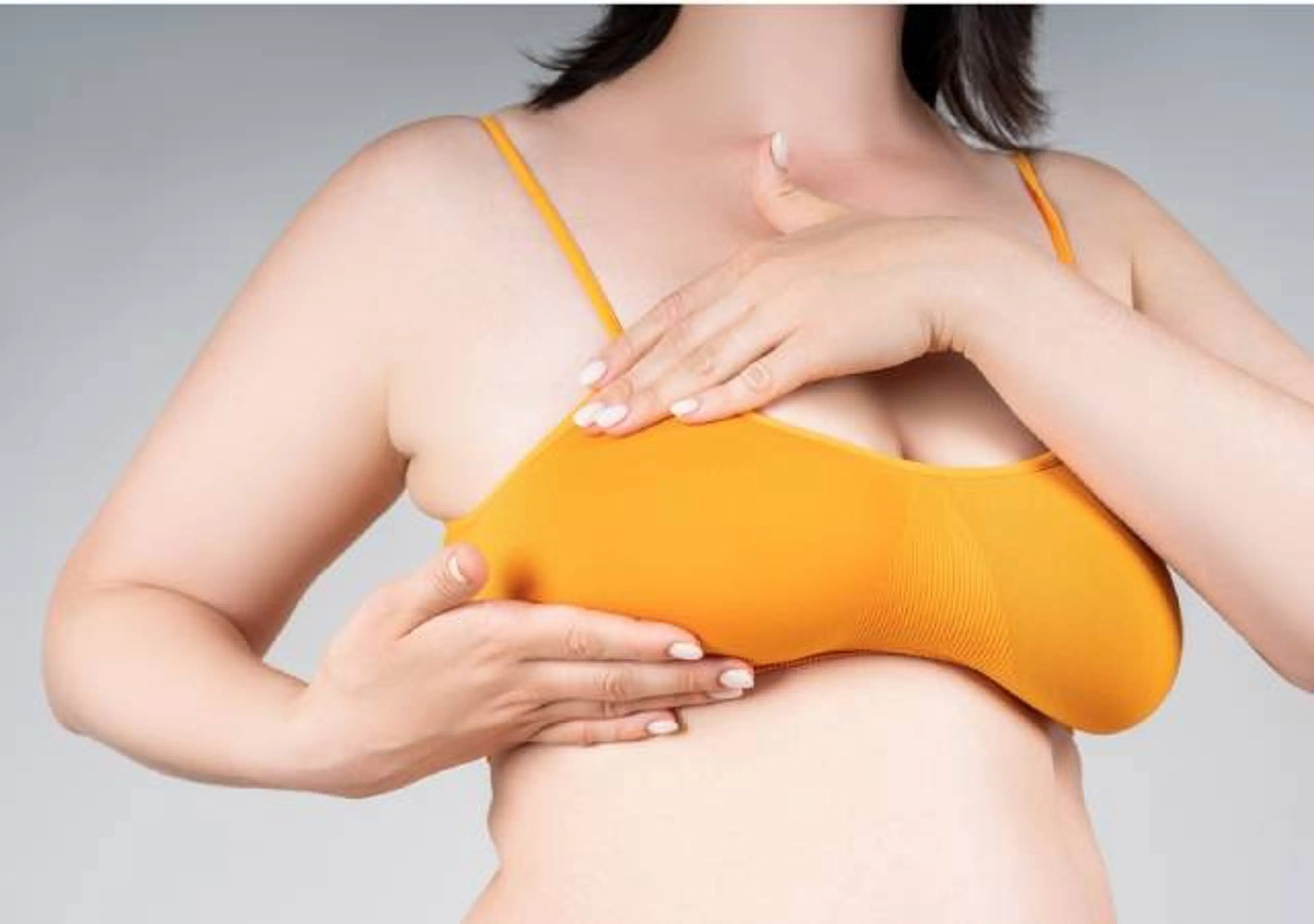
Breast ptosis, commonly referred to as sagging breasts, is a condition that affects many women, particularly as they age, after pregnancy, or due to significant weight changes. Not only can it impact physical appearance, but it can also affect self-esteem and emotional well-being. Many women opt for breast lift surgery as an effective solution to restore youthful, lifted breasts. In this guide, we’ll walk you through everything you need to know about breast ptosis, the benefits of breast lift surgery, and why Dite Plastic Surgery in Seoul is the ideal clinic for this transformative procedure.
Breast ptosis occurs when the skin around the breasts loses elasticity, and the underlying tissues that support the breasts weaken, leading to sagging. This condition results in the breasts hanging lower than usual, with the nipples pointing downward. The severity of breast ptosis can range from mild to severe, and it’s generally categorized into three stages:
Breast ptosis not only affects physical appearance but can also deeply influence a woman's emotional and psychological health. Women experiencing sagging often report feeling self-conscious, which can lead to lower confidence in social or intimate settings.
In addition to aesthetic concerns, there are physical reasons to consider correcting breast ptosis. As the breasts sag, they can cause discomfort, including back and shoulder pain, and even contribute to poor posture. Correcting breast ptosis through surgery can restore both the shape and function of the breasts, ultimately boosting confidence and improving overall quality of life.
Breast lift surgery, or mastopexy, is a procedure designed to lift and reshape the breasts. It addresses the sagging caused by ptosis by removing excess skin, tightening the remaining skin, and repositioning the nipple and areola to a more youthful position. While breast augmentation adds volume to the breasts with implants, a breast lift focuses on rejuvenating the shape and positioning of the breasts.
Various techniques can be used in breast lift surgery, including:
Each technique is customized to the patient’s needs, ensuring a natural and youthful breast shape.
The primary goal of breast lift surgery is to restore the breasts’ shape and position. During the procedure, excess skin is removed, and the breast tissue is reshaped. The nipple and areola are repositioned to a higher, more youthful point on the breast, ensuring they face forward rather than downward.
In some cases, when the breasts have lost volume due to aging or breastfeeding, implants may be combined with the lift to enhance fullness and restore the breast’s overall shape. This combination procedure is particularly effective for women who wish to both lift and increase the size of their breasts.
Not all women are suitable candidates for breast lift surgery. The best candidates are those who:
Have significant sagging due to pregnancy, aging, or weight fluctuations.
Are in good overall health, with no conditions that could interfere with healing.
Do not smoke, as smoking can hinder the healing process and increase complications.
Are finished with childbearing, as future pregnancies may alter the results.
Dr. Jun Wook Lee at Dite Plastic Surgery offers personalized consultations to help determine the most effective approach for each patient.
Breast lift surgery usually takes 2 to 3 hours, depending on the technique used. Here’s what you can expect during the procedure:
Recovery typically takes several weeks, with most patients returning to light activities within 2 to 3 weeks. Here’s an overview of the recovery timeline:
It’s important to avoid heavy lifting and strenuous activities during recovery to ensure the best possible results.
As with any surgical procedure, there are risks associated with breast lift surgery, including:
Choosing an experienced surgeon like Dr. Jun Wook Lee reduces these risks and ensures the best possible outcome.
Breast lift surgery offers noticeable results immediately, with improved breast shape and position. The full effects may take a few months to become clear as swelling subsides and the tissues settle. With proper care, the results can last for many years.
To maintain these results, it’s crucial to maintain a stable weight, avoid smoking, and protect your skin from sun damage.
While both procedures improve breast appearance, they serve different purposes:
For some women, combining both procedures offers the best outcome, especially for those with both sagging and volume loss.
For mild cases, non-surgical alternatives like breast lift tape or suction devices may provide temporary results. However, these options do not address sagging effectively and are only suitable for minimal ptosis.
Breast lift surgery typically ranges from $4,000 to $8,000, depending on factors like procedure complexity, surgeon expertise, and clinic location. Dite Plastic Surgery offers financing options to help make surgery accessible to both local and international patients.
Breast lift surgery offers a life-changing solution for women experiencing breast ptosis. Whether caused by aging, pregnancy, or weight fluctuations, a breast lift can restore youthful shape and improve confidence. Dite Plastic Surgery, led by Dr. Jun Wook Lee, offers expert care and cutting-edge technology to ensure optimal results.