Home / Articles
Hip Reshaping Surgery: Preparation, Benefits, and Recovery
Home / Articles
Hip Reshaping Surgery: Preparation, Benefits, and Recovery
Aesthetic hip surgery, often referred to as hip reshaping or contouring, offers individuals the opportunity to enhance the shape of their hips, creating a more balanced and natural-looking silhouette. Whether the goal is to reduce excess fat, increase volume for a curvier appearance, or achieve smoother, more defined contours, this procedure provides a viable solution for those looking to improve their body proportions.
While the procedure has become increasingly popular due to advances in surgical techniques, it's important for anyone considering hip reshaping to understand how to prepare and what to expect. Preparing both physically and mentally will not only help ensure the best outcome but also ease the recovery process.
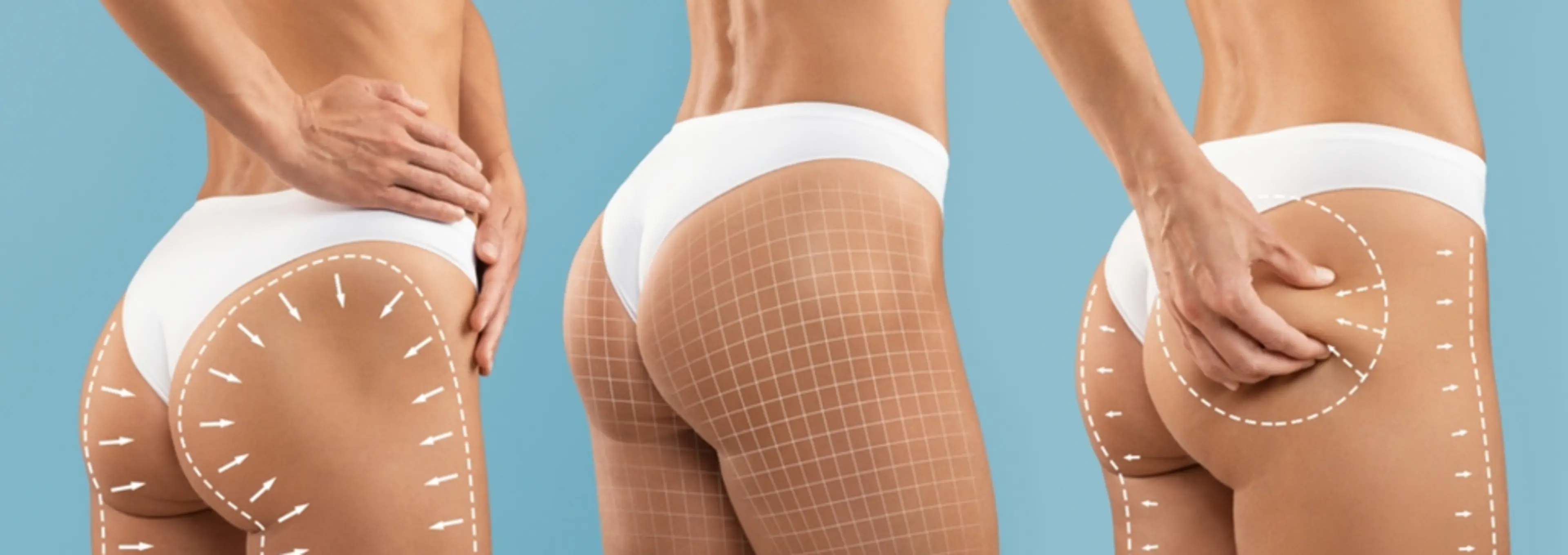
Hip reshaping surgery can include a combination of two primary techniques: liposuction and fat grafting.
Each patient’s specific goals and anatomy determine which approach—or combination of techniques—is best suited. Many clinics now use advanced imaging technologies, such as 3D body mapping, to help personalize the surgical approach and ensure the most natural-looking results.
Beyond the physical transformation, patients often experience a significant psychological benefit from hip reshaping surgery. The enhancement of the hip area can lead to a noticeable improvement in body proportions, which in turn can help individuals feel more confident and comfortable in their appearance. This sense of confidence can extend to various areas of life, from personal relationships to professional interactions.
While cosmetic procedures are primarily aimed at improving physical aesthetics, the emotional uplift that comes from body contouring is an essential part of the process. The increase in self-esteem reported by many patients is often just as impactful as the physical changes they undergo.
Though aesthetic hip surgery is generally safe, like any surgical procedure, there are risks involved. Possible complications include infection, bleeding, scarring, or dissatisfaction with the results if the surgery is not performed with precision.
To minimize these risks, a thorough preoperative evaluation is essential. This may include reviewing the patient’s medical history, conducting physical exams, and using imaging technologies to assess suitability for the procedure. Surgeons will also provide specific guidelines to help patients prepare physically for the surgery, such as stopping smoking and avoiding certain medications.
The safety protocols followed during surgery, including the use of modern, minimally invasive techniques, help reduce the risk of complications. Minimally invasive procedures typically involve smaller incisions, reduced trauma to surrounding tissues, and shorter recovery times compared to traditional methods.
Physical preparation plays a key role in the success of hip surgery and recovery. Patients should follow preoperative guidelines to ensure they are in optimal health for the procedure. This includes maintaining a nutritious diet, staying hydrated, and engaging in light physical activity to improve circulation and overall health.
Patients should also stop smoking and reduce alcohol consumption well before surgery, as these habits can impair healing and increase the risk of complications. In some cases, surgeons may recommend temporarily discontinuing the use of blood-thinning medications to reduce the risk of excessive bleeding.
By maintaining a healthy lifestyle leading up to surgery, patients set the stage for a smoother procedure and quicker recovery.
In addition to physical preparation, mental and emotional readiness is essential for a successful surgery and recovery. Many patients experience anxiety about the procedure, which is natural. A thorough understanding of what to expect can ease these concerns. Open communication with the surgeon about goals, fears, and expectations helps build trust and ensures the patient feels supported.
It’s also valuable to have a strong support system of family and friends during the recovery process. Having people to lean on during this time can make a significant difference in maintaining a positive outlook.
Some individuals find relaxation techniques such as meditation, deep breathing exercises, or journaling helpful in managing anxiety prior to surgery.
Before undergoing hip reshaping surgery, patients will meet with their surgeon for a detailed consultation. This is a critical step in the process, allowing the surgeon to review the patient’s health history, evaluate the body’s structure, and discuss the desired outcome.
Advanced imaging, such as 3D body scans or ultrasound, may be used to assess fat distribution and bone structure, ensuring a customized surgical plan. The surgeon will also explain which techniques will be used (liposuction, fat grafting, or a combination) and outline the expected results.
This consultation is the time to ask any questions about the surgery, recovery, and potential risks. A thorough understanding of the procedure will help ensure realistic expectations and a more comfortable experience.
On the day of surgery, patients will arrive at the clinic or hospital several hours before the procedure for health checks and preoperative paperwork. After meeting with the surgical team and reviewing the plan, patients will be given anesthesia, ensuring they remain comfortable throughout the operation.
The surgery typically lasts between one and several hours, depending on the complexity of the procedure. Afterward, patients are transferred to a recovery room, where medical staff will monitor their condition as the anesthesia wears off.
Depending on the individual case, patients may stay at the clinic or hospital for a few hours or overnight. Surgeons will provide clear post-surgical instructions and arrange follow-up visits to monitor recovery.
After surgery, patients can expect some swelling, bruising, and discomfort in the hip area. These are normal parts of the healing process. Pain management will be provided, and cold compresses may be recommended to reduce swelling.
The first few weeks of recovery typically involve limiting physical activity, but light movements and walking are encouraged to improve circulation and promote healing. As the swelling subsides, most patients can return to daily activities, though strenuous exercise should be avoided for about six weeks.
Full recovery can take several months as the body continues to heal and the final results become more evident. Regular follow-up appointments ensure the healing process is progressing smoothly and provide an opportunity to address any concerns.
Advancements in aesthetic surgery have made minimally invasive techniques a preferred option for many patients. These methods use smaller incisions and advanced tools, such as ultrasonic devices or laser-assisted liposuction, to reduce trauma to the body and accelerate recovery.
These techniques not only minimize scarring but also offer quicker healing times, less pain, and faster return to regular activities. As these methods improve, patients can expect even more precise results with less downtime.
Post-surgical pain is a common concern, but it can be managed effectively with prescribed medications and cold therapy. It’s important to follow the surgeon’s guidelines closely regarding medication and activity restrictions to minimize discomfort and prevent complications.
While complications like infection or asymmetry are rare, it is important to stay vigilant and contact the surgeon if any concerning symptoms arise, such as unusual swelling, increased redness, or severe pain.
To maintain the results of hip reshaping surgery, it’s important to adopt a healthy lifestyle. This includes maintaining a stable weight, eating a balanced diet, and exercising regularly. Patients should avoid drastic weight fluctuations, as these can alter the results of the surgery.
Follow-up visits with the surgeon ensure the results remain satisfactory, and any issues can be addressed promptly.
Choosing a skilled and experienced surgeon is essential for achieving safe and aesthetically pleasing results. A reputable surgeon will provide personalized care, taking into account each patient’s unique goals and body type. By using the latest surgical techniques and equipment, they can achieve optimal outcomes with minimal risks.
Embarking on your hip reshaping journey begins with informed preparation and choosing the right surgeon. By understanding the procedure, setting realistic expectations, and following expert guidance, you can achieve a more balanced, confident body.