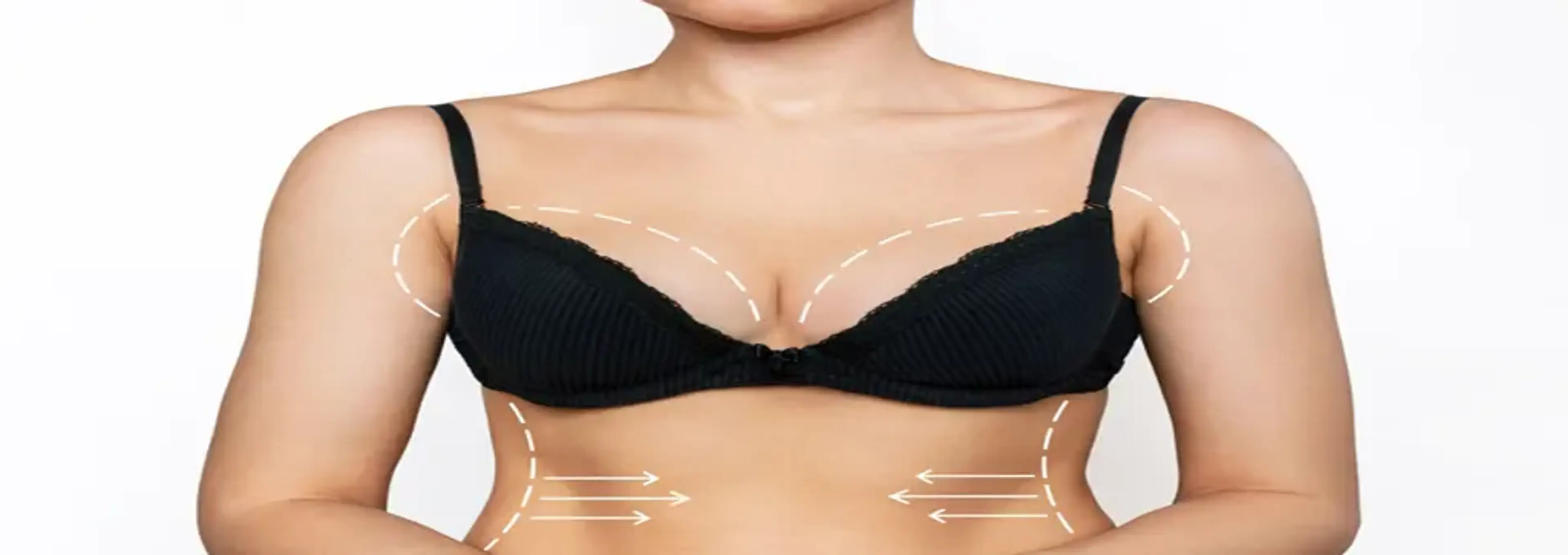
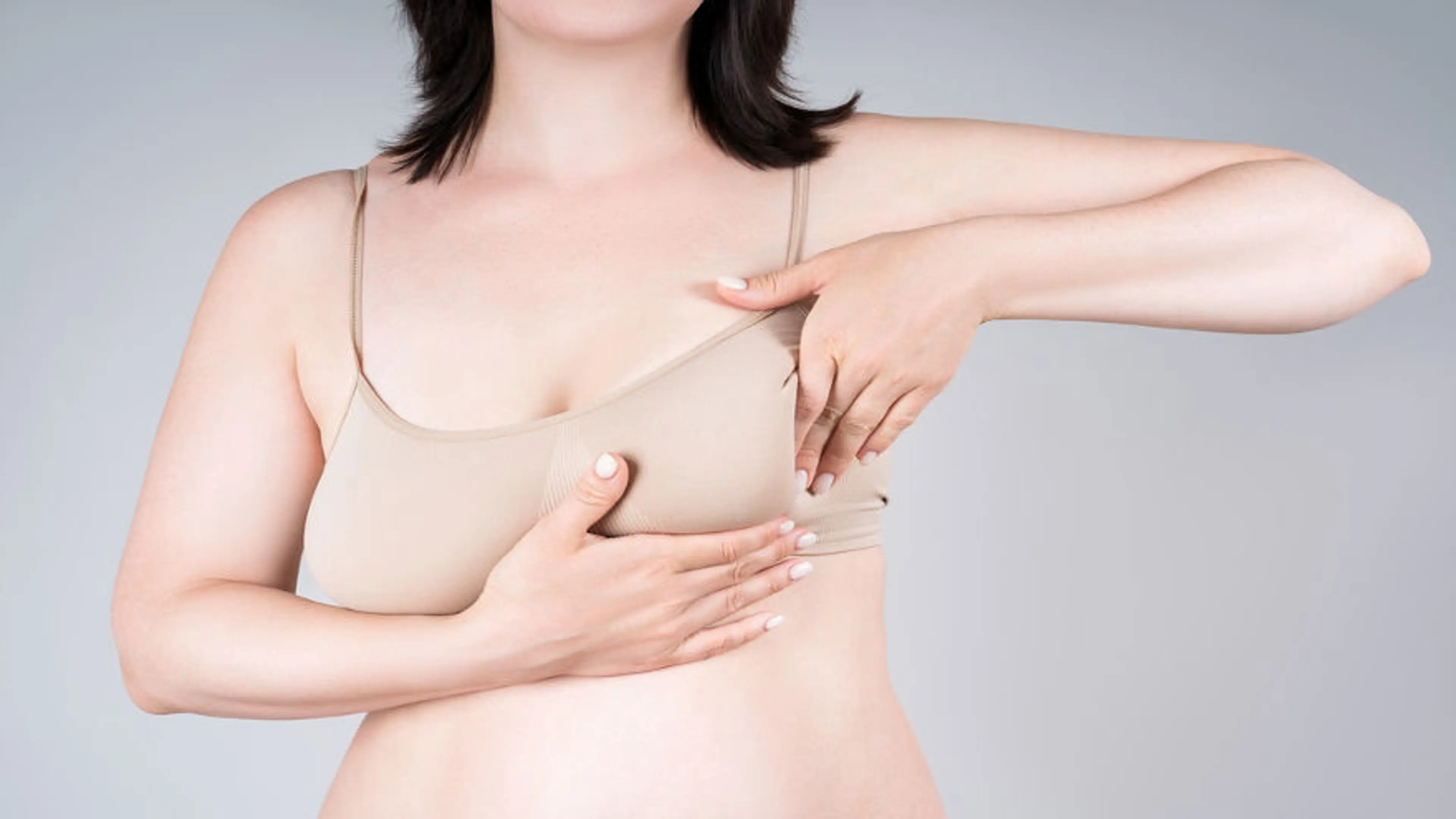
After months or even years of dedication to weight loss — whether through diet, exercise, or bariatric surgery — many patients expect to finally feel confident in their bodies. But for countless women, one unexpected outcome of major weight loss is the way the breasts respond: not with perkiness, but with sagging, emptiness, or stretched skin that no longer reflects the effort they’ve put in.
If this sounds familiar, you’re not alone. At Dite Plastic Surgery in Gangnam, we often meet women who feel proud of their transformation — but discouraged by how their breasts appear afterward. And while no two bodies are alike, there is one consistently effective solution: the breast lift, also known as mastopexy.
Let’s explore what’s really happening to the breast after weight loss — and how a breast lift can restore both shape and confidence.
Why Do Breasts Sag After Major Weight Loss?
why-do-breasts-sag-after-major-weight-lossWeight loss doesn't always lead to a sculpted figure in the way people imagine. In fact, it often reveals the effects of gravity and stretched skin more clearly. The breasts, composed largely of fat and glandular tissue, are particularly vulnerable to these changes.
Here’s why:
Loss of Volume: A large portion of the breast is fatty tissue. When you lose significant weight, that fat diminishes, leading to deflation — especially in the upper pole of the breast.
Stretched Skin & Ligaments: During weight gain, Cooper’s ligaments (the fibrous structures that support the breasts) and the surrounding skin stretch to accommodate the added volume. Unfortunately, after weight loss, these don't always return to their original tension.
Nipple Descent: As the skin loses elasticity, the nipples may migrate downward or point toward the floor, even if breast tissue volume remains.
It’s not uncommon for women to describe their breasts as feeling “flat,” “empty,” or “long” after weight loss. Some even notice excess skin in the lower breast area that gathers in bras or folds against the chest.
What a Breast Lift Actually Does — And Doesn’t Do
what-a-breast-lift-actually-does-and-doesn't-doMany patients come to us with one question: "Can a breast lift make my breasts look like they used to before the weight gain?"
The answer is: in many cases, yes — but it’s not about adding volume. A breast lift focuses on reshaping and repositioning what’s already there.
Here's what a lift can do:
Remove excess stretched skin
Tighten and elevate the breast tissue
Reposition the nipple to a more youthful height
Restore roundness, especially to the upper portion of the breast
What it doesn’t do:
It doesn’t significantly increase breast size. For that, a lift can be paired with breast augmentation (implants or fat grafting).
It doesn’t dramatically reduce size either — though it can be combined with a reduction, if needed.
At Dite Plastic Surgery, we often describe a breast lift as tailoring the envelope of the breast to better fit its new contents — like re-contouring a gown after someone’s body has changed.
Types of Breast Lifts After Weight Loss
types-of-breast-lifts-after-weight-lossThere’s no one-size-fits-all approach — especially not in a region like Gangnam, where aesthetic standards are high and subtlety is valued. Depending on how much sagging you have, your breast shape, and your personal goals, your surgeon may recommend one of the following techniques:
1. Anchor Lift (Inverted T Lift)
1.-anchor-lift-(inverted-t-lift)Ideal for women with significant sagging and excess skin, common after major weight loss. This technique involves incisions around the areola, vertically down to the breast fold, and along the crease — allowing for maximum reshaping.
This is the most common method we use at Dite for post-weight-loss cases, as it allows for dramatic yet natural-looking correction.
2. Vertical Lift (Lollipop Lift)
2.-vertical-lift-(lollipop-lift)Used for moderate sagging, this approach involves fewer incisions and focuses on vertical tightening. It’s often suitable for younger patients or those with mild skin laxity.
3. Donut Lift (Periareolar Lift)
3.-donut-lift-(periareolar-lift)Recommended only for mild sagging, this technique involves a circular incision around the areola. While scar-minimizing, it has limitations for weight-loss patients with major skin laxity.
What many patients don’t realize is that the best-looking result is not always the one with the fewest scars — it’s the one with the best shape. At Dite, incisions are planned to fade discreetly over time, and recovery is supported with medical-grade scar care.
Breast Lift vs. Implants: Do You Need Both?
breast-lift-vs.-implants:-do-you-need-both
This is one of the most common questions we receive — and understandably so. After weight loss, many women are disappointed not just by the sagging, but by the lack of fullness, especially in the upper breast.
If you feel your breasts look “deflated,” a lift alone may improve shape but not volume. That’s where hybrid breast augmentation comes in.
What is a Hybrid Breast Augmentation?
what-is-a-hybrid-breast-augmentationIt’s a custom procedure that combines:
A breast lift, to raise and reshape the breast
An implant or fat grafting, to add volume (often to the upper pole)
At Dite Plastic Surgery, we often use this combination for patients who’ve lost 10kg or more and want a balanced, youthful silhouette that still looks natural. We tailor the implant type, projection, and placement based on your anatomy — not just trends.
What to Expect During Recovery
what-to-expect-during-recoveryWhile a breast lift is a deeply rewarding procedure, it’s still a surgery — and recovery deserves the same attention as the operation itself.
At Dite, we provide high-frequency recovery devices, gentle compression support, and individualized aftercare plans. Here’s a general timeline:
Days 1–3: Mild soreness, swelling; most patients rest at home.
Week 1: Stitches and dressings are monitored; light walking encouraged.
Weeks 2–3: Swelling decreases, and results begin to show. Most patients return to daily activities.
Months 1–3: Scars begin to fade, final shape settles into place.
Most patients can return to work within 7–10 days, depending on their lifestyle. For international patients, we recommend staying in Korea at least 10–14 days after surgery for proper monitoring and early healing.
If you’re traveling from overseas, our team helps coordinate hotel stays and discreet post-op support — so your recovery feels calm, not chaotic.
What Surgeons Look for in a Post-Weight-Loss Breast Lift Candidate
what-surgeons-look-for-in-a-post-weight-loss-breast-lift-candidateIf you’ve lost significant weight and are wondering whether a breast lift is right for you, your surgeon will consider:
Your current weight stability (we recommend maintaining it for at least 6 months)
The degree of sagging and skin elasticity
Nipple position in relation to the breast crease
Your expectations and aesthetic goals
At Dite, Dr. Jun Wook Lee often uses precise digital simulations to help patients visualize how a lift will affect their silhouette — especially in proportion to the waist and hips. This full-body planning is essential for the most elegant results.
Real Insight From Surgery: What Most Patients Don’t Expect
real-insight-from-surgery:-what-most-patients-don't-expectHere’s something many women are surprised by after their lift: the emotional relief.
After weight loss, it’s not just about wanting to look better — it’s about feeling like your body finally reflects who you are now. For many, a breast lift is the final chapter in a long transformation journey — and a powerful one.
We often hear patients say:
“Now I can finally wear clothes without hiding my chest.”
“It’s not even about being sexier — it’s about looking normal again.”
“I wish I had done this sooner.”
Considering a Breast Lift in Korea? Why Dite May Be Right for You
considering-a-breast-lift-in-korea-why-dite-may-be-right-for-you
Dite Plastic Surgery in Seoul is uniquely positioned for this type of transformation. With a focus on breast and body aesthetics, and deep experience in post-weight-loss procedures, we understand the complexities of reshaping — not just cutting and lifting.
Dr. Jun Wook Lee brings over 20 years of surgical precision, trained at MD Anderson and trusted by thousands of patients across Korea and abroad. Our approach combines:
We believe every body transformation deserves a refined, confident finish — and that includes the chest.
Ready for the Next Step?
ready-for-the-next-stepIf you’ve worked hard to lose weight and are ready to bring your breast shape into harmony with the rest of your body, a breast lift might be the solution you’ve been waiting for.
A personalized consultation with Dr. Jun Wook Lee can help you explore your options — from lift alone to hybrid augmentation.
Visit us in the heart of Gangnam, or contact Dite Plastic Surgery to begin your tailored aesthetic journey.
Your body has changed. Let your silhouette reflect it — beautifully.