You stand in front of the mirror, maybe after weight loss, pregnancy, or just time — and you notice your breasts no longer sit the way they used to. They’ve lost volume, shape, or firmness. Perhaps they feel deflated, or maybe they’ve shifted lower on your chest than you’d like. You’re not alone in wondering:
Do I need breast implants, a lift, or both?
At Dite Plastic Surgery in Seoul’s Seocho District — the heart of Gangnam’s medical beauty hub — this is one of the most common and emotionally charged questions we hear. It’s not just about aesthetics. It’s about reclaiming confidence in your silhouette, in clothing, and often, in your sense of self.
Here’s how we help patients think through the choice — with nuance, honesty, and a deep respect for individuality.
The Real Issue: Volume Loss vs. Breast Position
the-real-issue:-volume-loss-vs.-breast-positionMany patients think sagging breasts automatically mean they need implants. But sagging, or breast ptosis, is not always a volume issue. Sometimes it’s more about position — where the breast tissue and nipple sit on the chest wall.
Think of it this way:
If your breast volume is fine but your breasts hang low, a breast lift (mastopexy) is typically more appropriate.
If your breasts have lost volume but still sit fairly high, implants alone may restore shape and fullness.
If you’re experiencing both — sagging and deflation — a lift with implants may be the most harmonious option.
What many patients don’t realize is that adding implants to sagging breasts without repositioning the tissue can actually make the sagging look worse. It’s like placing a new cushion into a stretched-out pillowcase — it doesn’t quite sit right.
So What Causes Sagging in the First Place?
so-what-causes-sagging-in-the-first-placeIn our Gangnam clinic, the causes we see vary, but often include:
Pregnancy and breastfeeding: Hormonal changes and milk production expand the breast tissue. When this recedes, the skin often doesn't fully retract.
Weight fluctuation: Gaining and losing weight stretches the skin envelope over time.
Aging and gravity: Skin loses elasticity, and breast tissue becomes less dense.
Genetics: Some patients simply inherit more elastic (or inelastic) breast tissue.
Understanding the “why” behind your sagging helps us determine the best solution — and avoid overcorrection or undercorrection.
What a Breast Lift Actually Does
what-a-breast-lift-actually-does
A breast lift (mastopexy) repositions the nipple and reshapes the existing breast tissue — without necessarily adding volume. It’s not just “pulling up the skin.” A precise lift involves:
Removing excess skin
Reshaping the internal breast mound
Lifting the nipple to a more youthful position
Improving symmetry if needed
At Dite, Dr. Jun Wook Lee takes it a step further by sculpting the lower pole of the breast — the area beneath the nipple — to prevent a “boxy” or flattened look post-lift. This kind of detail is often overlooked in more basic approaches.
Patients are often surprised to find their breasts look fuller after a lift, even without implants. Why? Because tissue that was hanging low is now repositioned higher, creating a firmer, rounder shape.
What Breast Implants Add
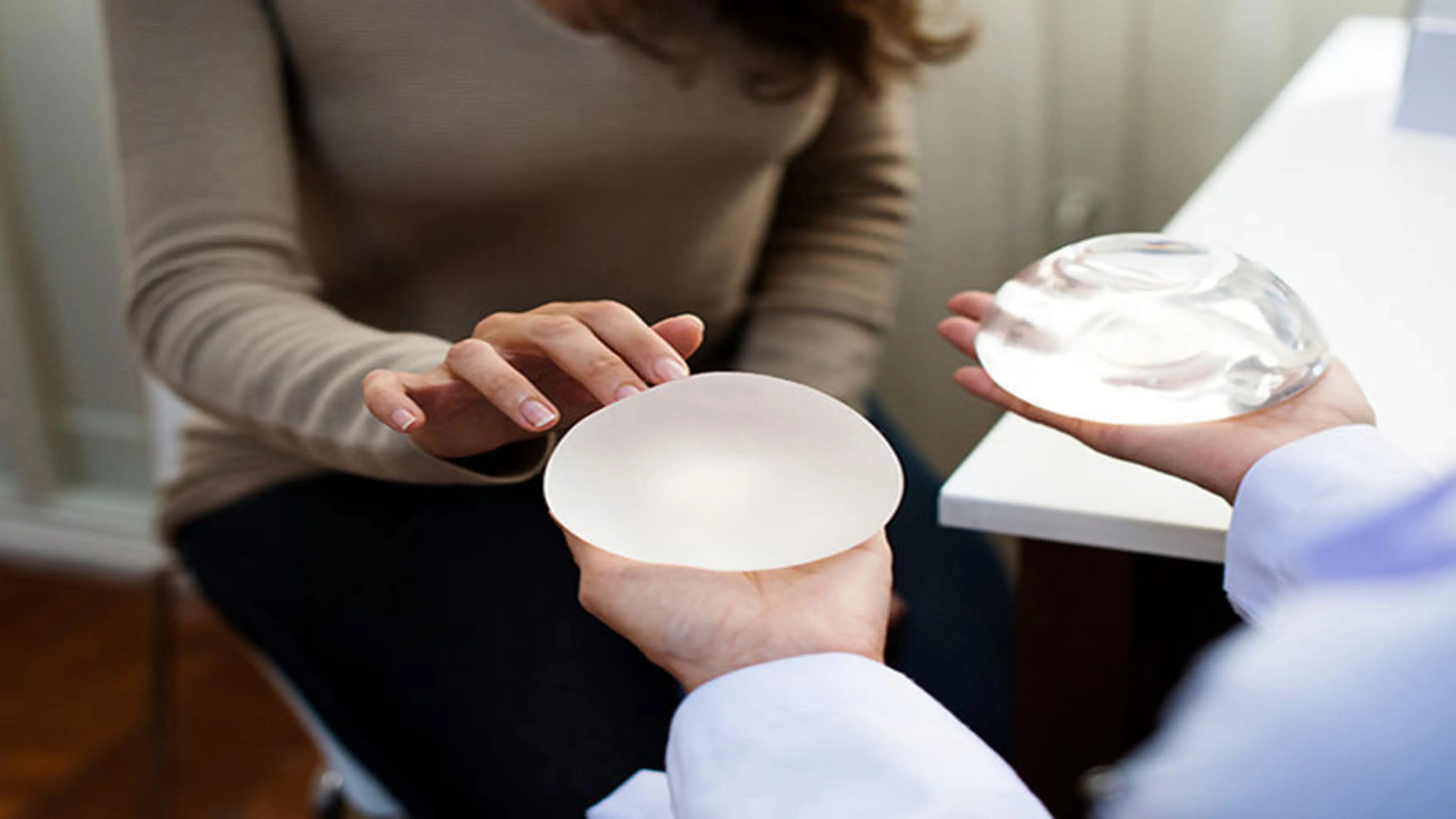
what-breast-implants-addImplants add volume and projection. They can restore lost fullness, enhance size, or create more upper pole (upper chest) roundness.
However, implants alone do not correct sagging — and in fact, if your skin and tissue are already loose, adding weight from an implant can worsen the descent over time. This is where an experienced surgical eye makes all the difference.
At Dite, we use hybrid augmentation techniques — blending cohesive gel implants with refined internal support — to prevent downward pull on the skin. For example, Dr. Lee may combine a small implant with a subtle lift to achieve a natural contour that resists future sagging.
“Do I Need Both?” — The Most Common Answer
"do-i-need-both"-the-most-common-answerIn reality, many patients need a combination of a lift and implant to achieve both firmness and fullness.
This is especially true if:
You’ve breastfed and lost upper fullness
Your nipples point downward or fall below the crease
You feel your breasts are both flat and low
You want a size increase and a perkier shape
Combining both procedures is more technically demanding and should always be tailored to your anatomy. For example, at Dite, we may stage the surgery — lift first, implant later — for patients with thin skin or complex tissue, to ensure better long-term results and healing.
What We Evaluate in Your Consultation
what-we-evaluate-in-your-consultation
At your consultation, we assess key details to create a precise, personalized plan:
Nipple position relative to the inframammary fold (your breast crease)
Skin elasticity
Breast tissue density
Desired shape and size
Symmetry or previous surgeries
Lifestyle factors like athletic activity or future pregnancy plans
We also use 3D imaging and aesthetic mapping to preview possible outcomes and explain trade-offs clearly — including scar placement, which is often a major concern for lift patients.
And while surgical trends may change, one rule stays the same:
"The best outcome is one that looks and feels balanced on your body — not borrowed from someone else’s Instagram feed."
A Word on Scarring: What to Expect
a-word-on-scarring:-what-to-expectIt’s natural to worry about scars, especially with a breast lift. The truth is: well-placed scars fade — but poorly shaped breasts don’t.
Dr. Lee uses short-scar techniques and tension-reducing sutures to promote discreet healing. We also offer laser scar revision and high-frequency aftercare treatments in our post-op recovery center — an area where Dite sets itself apart.
With proper care, lift scars typically fade to thin lines within 6–12 months, and are easily concealed by bras or swimwear.
What Patients Often Ask (But Don’t Hear Answered Online)
what-patients-often-ask-(but-don't-hear-answered-online)“Will I lose sensation in my nipples?”
In most cases, nipple sensation is preserved, especially in a conservative lift. More extensive lifts or combined procedures may carry some temporary numbness.
“Will I be able to breastfeed later?”
Depending on the lift technique, many patients retain full breastfeeding ability. We discuss this openly during your consultation — particularly for patients under 35.
“Is it better to do implants now and a lift later?”
Staging may be appropriate for certain tissue types, but most often, combining procedures offers the best aesthetic efficiency — and avoids multiple recoveries.
Recovery: What It’s Like in Real Life
recovery:-what-it's-like-in-real-lifeRecovery differs slightly depending on whether you choose:
Implants only: Typically 3–5 days of downtime, with return to desk work in a week
Lift only: Similar timeframe, with slightly more swelling and chest tightness
Lift + Implants: About 7–10 days of initial recovery, with 4–6 weeks of exercise restrictions
At Dite, patients benefit from our dedicated post-op care center — equipped with LED therapy, manual lymphatic drainage, and custom garment fitting. These aren’t luxuries; they’re part of why our results look smooth, not swollen.
So… Which One Is Right for You?
so...-which-one-is-right-for-youIf you’re trying to decide between a breast implant and a breast lift for sagging, here’s the truth:
There’s no one-size-fits-all.
The right procedure depends on what’s causing the sag — and what shape you envision for yourself.
A skilled surgeon should never rush you toward implants or a lift just to fit a clinic's template.
Your breasts aren’t a diagnosis. They’re part of your form, your history, and your self-image.
Let’s Talk About Your Silhouette
let's-talk-about-your-silhouetteIf you’re still unsure, a private consultation can help clear the fog. At Dite Plastic Surgery, we approach each case with technical precision and aesthetic sensitivity — especially in complex cases like post-pregnancy sagging or implant revisions.
Dr. Jun Wook Lee has over 20 years of experience sculpting the body’s curves with both surgical artistry and medical rigor. His background in breast reconstruction (MD Anderson Cancer Center) informs his ability to restore form in a way that’s both functional and beautiful.
If you’re considering subtle yet transformative enhancement, a customized evaluation at Dite can help you choose a path that feels natural — not overdone.
Ready to start your journey?
ready-to-start-your-journeyWhether you’re weighing your first breast procedure or seeking revision, Dite Plastic Surgery in Gangnam offers honest guidance, meticulous care, and premium outcomes tailored just for you.
Book a consultation with Dr. Jun Wook Lee and begin shaping the silhouette that reflects your confidence.