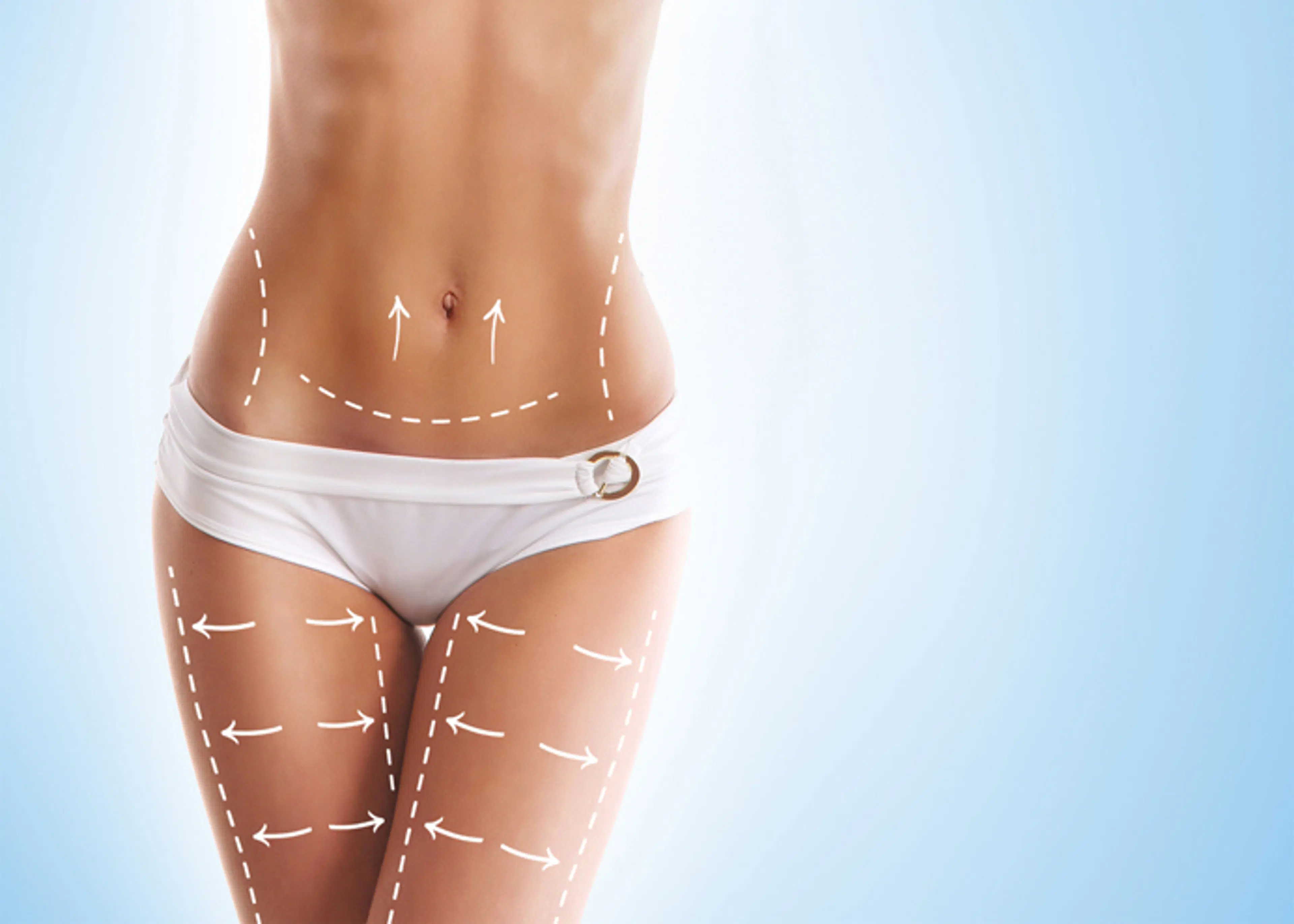
Introduction: Understanding Body Contouring and Fat Reduction Options
introduction:-understanding-body-contouring-and-fat-reduction-optionsAs body contouring procedures continue to gain popularity, many individuals are turning to fat reduction treatments to achieve their ideal appearance. Liposuction and CoolSculpting are two of the most widely known methods, offering effective solutions for fat removal. However, these two procedures differ significantly in their approach, benefits, and recovery requirements.
In this article, we'll examine both options in detail, focusing on their effectiveness, procedure differences, recovery times, costs, and which treatment may be best suited for your body goals. By the end, you’ll be able to make an informed decision about which procedure aligns with your needs and lifestyle.
What is Liposuction?
what-is-liposuctionLiposuction is a surgical fat removal procedure designed to sculpt and contour the body. During the process, a plastic surgeon makes small incisions in the skin and uses a thin tube (cannula) to suction out excess fat. Liposuction can target large areas such as the abdomen, thighs, buttocks, arms, and neck, offering more dramatic and permanent results compared to non-invasive treatments.
Dr. Jun Wook Lee, a board-certified plastic surgeon at Dite Plastic Surgery, explains, "Liposuction is ideal for patients with localized fat deposits that are resistant to diet and exercise. It allows us to remove a significant amount of fat in one session, delivering noticeable body contouring."
While effective,
liposuction involves surgery and carries the risks associated with any surgical procedure, including infection, scarring, and longer recovery times.
What is CoolSculpting?
what-is-coolsculpting
CoolSculpting, or cryolipolysis, is a non-invasive treatment that uses controlled cooling to freeze fat cells. The cooled fat cells crystallize and gradually break down over time, allowing the body to naturally eliminate them. The procedure involves placing a cooling applicator on the target area—such as the abdomen, flanks, or chin—without the need for incisions or anesthesia.
"CoolSculpting is perfect for patients who are looking for a non-invasive option with minimal downtime," says
Dr. Jun Wook Lee at
Dite Plastic Surgery. "It provides subtle yet effective fat reduction without surgery."
Although CoolSculpting is less invasive than liposuction, the results are typically more gradual and less dramatic. It’s best suited for patients with smaller areas of stubborn fat that do not require surgical intervention.
How Do Liposuction and CoolSculpting Compare in Terms of Effectiveness?
how-do-liposuction-and-coolsculpting-compare-in-terms-of-effectivenessBoth liposuction and CoolSculpting can effectively reduce fat, but their effectiveness depends on the type and extent of fat to be removed.
Liposuction is more suitable for patients with larger amounts of fat to remove. It provides immediate and more dramatic results, particularly for areas like the abdomen, thighs, or arms. Liposuction also allows for precise body contouring and long-lasting results. It’s often the best option for people seeking substantial fat removal and body sculpting.
CoolSculpting, on the other hand, is ideal for individuals with smaller, localized fat pockets that don’t require surgery. Common treatment areas include the chin, love handles, and upper arms. While CoolSculpting is effective for fat reduction, the results are generally more subtle and take time to manifest.
Targeted Areas: Liposuction vs. CoolSculpting
targeted-areas:-liposuction-vs.-coolsculptingLiposuction is highly versatile and can treat larger areas of fat. It's particularly effective for patients with stubborn fat in the abdomen, thighs, arms, and flanks. This procedure can remove a larger volume of fat in one session, offering dramatic body reshaping.
CoolSculpting is better suited for smaller, more localized fat deposits. Areas like the double chin, bra bulges, and love handles respond well to CoolSculpting’s targeted fat-freezing technology. This non-invasive procedure is often preferred for those seeking a more discreet fat reduction option.
What to Expect During the Procedure: Liposuction vs. CoolSculpting
what-to-expect-during-the-procedure:-liposuction-vs.-coolsculptingLiposuction involves surgical intervention. The patient will typically be given local or general anesthesia, depending on the size and number of areas being treated. A surgeon will make small incisions, insert a cannula, and suction out excess fat. The procedure can take several hours, and patients will need to wear compression garments for several weeks to support healing. Recovery involves downtime, swelling, bruising, and a gradual return to normal activities over several weeks.
CoolSculpting is a non-invasive procedure. A cooling applicator is applied to the target area, where it freezes fat cells. The procedure usually lasts between 35 to 60 minutes per treatment area, and patients experience no anesthesia or incisions. Most individuals experience mild cold sensations, but there’s no downtime. Patients can typically resume normal activities immediately.
Recovery Time: Liposuction vs. CoolSculpting
recovery-time:-liposuction-vs.-coolsculptingLiposuction requires a longer recovery period. Patients often experience swelling, bruising, and soreness, and they must wear compression garments to aid in the healing process. Full recovery can take several weeks, with most people returning to work in about a week and resuming strenuous activities after a few weeks.
CoolSculpting offers a quicker recovery time. Since it’s non-invasive, patients can return to their daily activities right away. Mild redness, swelling, or bruising in the treated area may occur but typically resolves within a few days.
Risks and Side Effects: What to Know
risks-and-side-effects:-what-to-knowBoth procedures come with their risks and side effects, though liposuction carries more significant surgical risks.
Liposuction Risks include infection, scarring, blood clots, and uneven results. There’s also a risk of anesthesia complications.
CoolSculpting Risks are generally mild and temporary. Common side effects include redness, swelling, and numbness. In rare cases, some patients may experience paradoxical adipose hyperplasia, a condition where the treated fat cells become larger instead of shrinking.
Cost Comparison: Liposuction vs. CoolSculpting
cost-comparison:-liposuction-vs.-coolsculpting
Liposuction typically costs between $2,000 to $7,500 per treated area. The cost varies depending on the extent of the procedure and the surgeon's experience. Although the initial cost is higher, it’s a one-time expense since it provides permanent fat removal in one session.
CoolSculpting usually ranges from $2,000 to $4,000 for a full treatment plan, depending on the number of areas treated. However, CoolSculpting may require multiple sessions to achieve the desired results, which could add to the total cost over time.
Which Option Offers Permanent Results?
which-option-offers-permanent-resultsBoth liposuction and CoolSculpting offer permanent fat removal in the treated areas. However, liposuction provides more immediate and long-lasting results, as the fat cells are surgically removed. In contrast, CoolSculpting eliminates fat cells through a natural process, and the body can still produce new fat cells in untreated areas.
Who Should Consider Liposuction?
who-should-consider-liposuctionLiposuction is best for individuals with significant fat deposits that cannot be addressed through diet and exercise. It’s suitable for those seeking dramatic, long-lasting results and who are prepared for the recovery process.
Who Should Consider CoolSculpting?
who-should-consider-coolsculptingCoolSculpting is ideal for patients with smaller, localized fat pockets and who are looking for a non-invasive option. It’s best for those with realistic expectations who are okay with gradual, subtle results.
Real-World Results: Patient Experiences
real-world-results:-patient-experiencesPatients often report high satisfaction with liposuction, especially for larger areas like the abdomen or thighs. They appreciate the dramatic, immediate results but note the longer recovery time. CoolSculpting patients tend to appreciate the minimal downtime, although some may require multiple sessions to achieve optimal results.
Conclusion: Which Treatment Is Right for You?
conclusion:-which-treatment-is-right-for-youChoosing between liposuction and CoolSculpting depends on your goals and lifestyle. If you’re looking for more dramatic fat reduction and are willing to undergo surgery, liposuction is likely your best option. If you prefer a non-invasive, less time-consuming treatment with minimal downtime, CoolSculpting may be a better choice.
Consulting with a certified plastic surgeon, like Dr. Jun Wook Lee at
Dite Plastic Surgery, will help you determine the best option for your body goals.