Home / Articles
What Are the Side Effects of Body Contouring Injections?
Home / Articles
What Are the Side Effects of Body Contouring Injections?
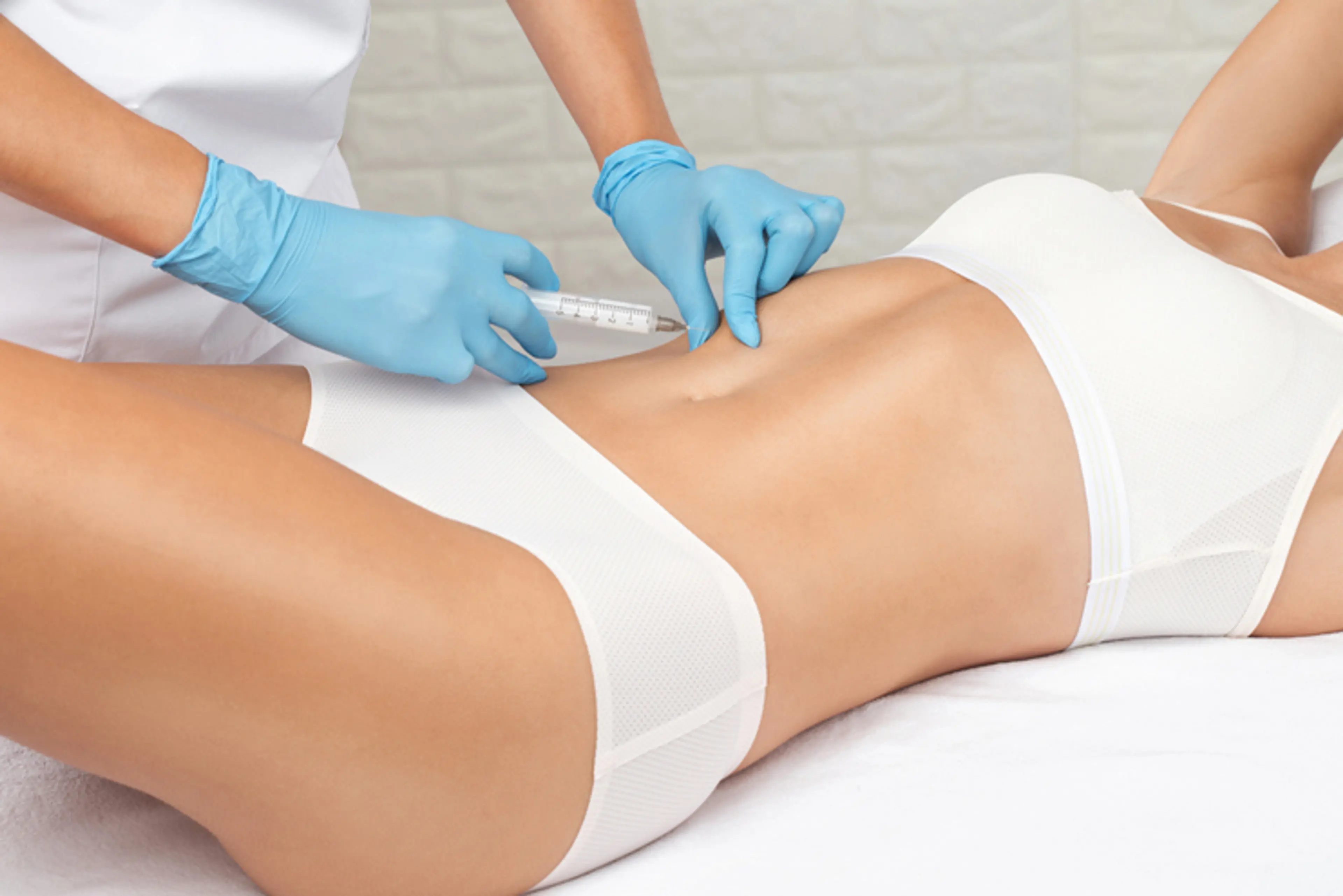
In Gangnam — a district known as much for its aesthetic precision as for its trendsetting culture — body contouring injections have become a discreet go-to for patients seeking refined, non-surgical fat reduction. These injectable treatments promise visible slimming in areas like the jawline, abdomen, thighs, and arms, often without the need for anesthesia or downtime.
But while the appeal is undeniable — no incisions, no scars, no recovery bed — what many patients don’t realize is that even the most advanced body contouring injections carry real, biological effects. And yes, that includes side effects.
At Dite Plastic Surgery, we often see patients who come to us after trying injections elsewhere — either because they didn’t get the results they hoped for, or because the recovery experience caught them off guard. So let’s break it down clearly: what exactly happens after a body contouring injection? What side effects are common, what’s considered abnormal, and how should patients make informed choices?
These injections are often marketed under names like Kybella (FDA-approved for the chin in the U.S.), as well as a wide array of Korean formulations tailored for body areas — such as LipoVela, PPC (phosphatidylcholine), and more blended cocktails.
They're typically used for:
Double chin (submental fat)
Upper arms
Lower abdomen
Thighs
Flanks (love handles)
Bra bulges or back rolls
Here’s what’s typically expected:
“Most patients are surprised by how much swelling they get — especially under the chin or on the lower abdomen.”
Swelling is the most immediate and pronounced side effect. It can start within minutes and last for 3–10 days. This puffiness is a sign that the body is responding to the cellular destruction — but it can be socially uncomfortable if you're not prepared.
At Dite, we always recommend planning injections around your schedule, especially for visible areas like the face or arms.
Mild to moderate soreness is very common. Think of it like a deep bruise under the skin. The pain usually peaks on day two and resolves within a week.
Small injection-point bruises are common, especially if multiple microinjections are used (as is typical with abdominal or thigh fat). These fade within 5–7 days but can be longer for patients with sensitive or fair skin.
To minimize this, experienced providers at Dite use cooling, precision-point microcannulas, and careful injection spacing.
Temporary nodules — or small areas of firmness — can occur as fat cells break down and lymphatic drainage begins. These are usually harmless and resolve with gentle massage or light ultrasound treatment.
However, if these persist beyond two weeks or feel hard and painful, they should be evaluated.
While most side effects are temporary and manageable, patients should also be informed about rare complications that can occur, especially with improper technique or low-quality formulations.
Some Korean lipolysis cocktails include multiple active ingredients — including caffeine, carnitine, or plant extracts — that can irritate tissue more than standard deoxycholic acid.
If injected too superficially or in excess, these can cause prolonged swelling, fibrotic tissue, or lingering lumps.
Although rare, superficial burns or tissue injury can happen if the injection enters too close to the skin’s surface or if too much product is used in one area. This risk rises with untrained injectors or unregulated clinics.
At Dite Plastic Surgery, Dr. Jun Wook Lee oversees all body contouring treatments personally — ensuring precise depth, spacing, and dilution to minimize this risk.
When treating the chin area, overly aggressive injection near facial nerves can lead to temporary weakness or asymmetry in smiling. This usually resolves within a few weeks but can be distressing if unexpected.
This is a textbook example of why anatomical expertise matters in aesthetics — even for “simple” injections.
Because fat dissolvers don’t target fat with perfect precision, one side of the body may metabolize the injection more actively than the other — especially if there was uneven fat volume to begin with.
In cases like this, patients may require follow-up sessions to balance the result.
Rare, but possible: if too much fat is dissolved in a small area (like under the chin), patients may notice slight hollowing or loose skin. This is particularly a risk in older patients or those with lower skin elasticity.
Here’s a practical post-injection checklist we share with patients at our Gangnam clinic:
Contact your provider immediately if you experience:
Sudden or worsening pain
Skin color changes (e.g., dusky or blackened areas)
Numbness or facial muscle weakness
Any signs of infection (redness, heat, pus)
In our experience, injections are a good option for:
Body contouring injections are powerful tools when used appropriately — but they’re not “magic melts.” They work best in expert hands, on carefully selected patients, with proper explanation of both benefits and limitations.
If you’re thinking about subtle enhancement or wondering whether injections or surgery are right for your body, a personalized consultation is key.