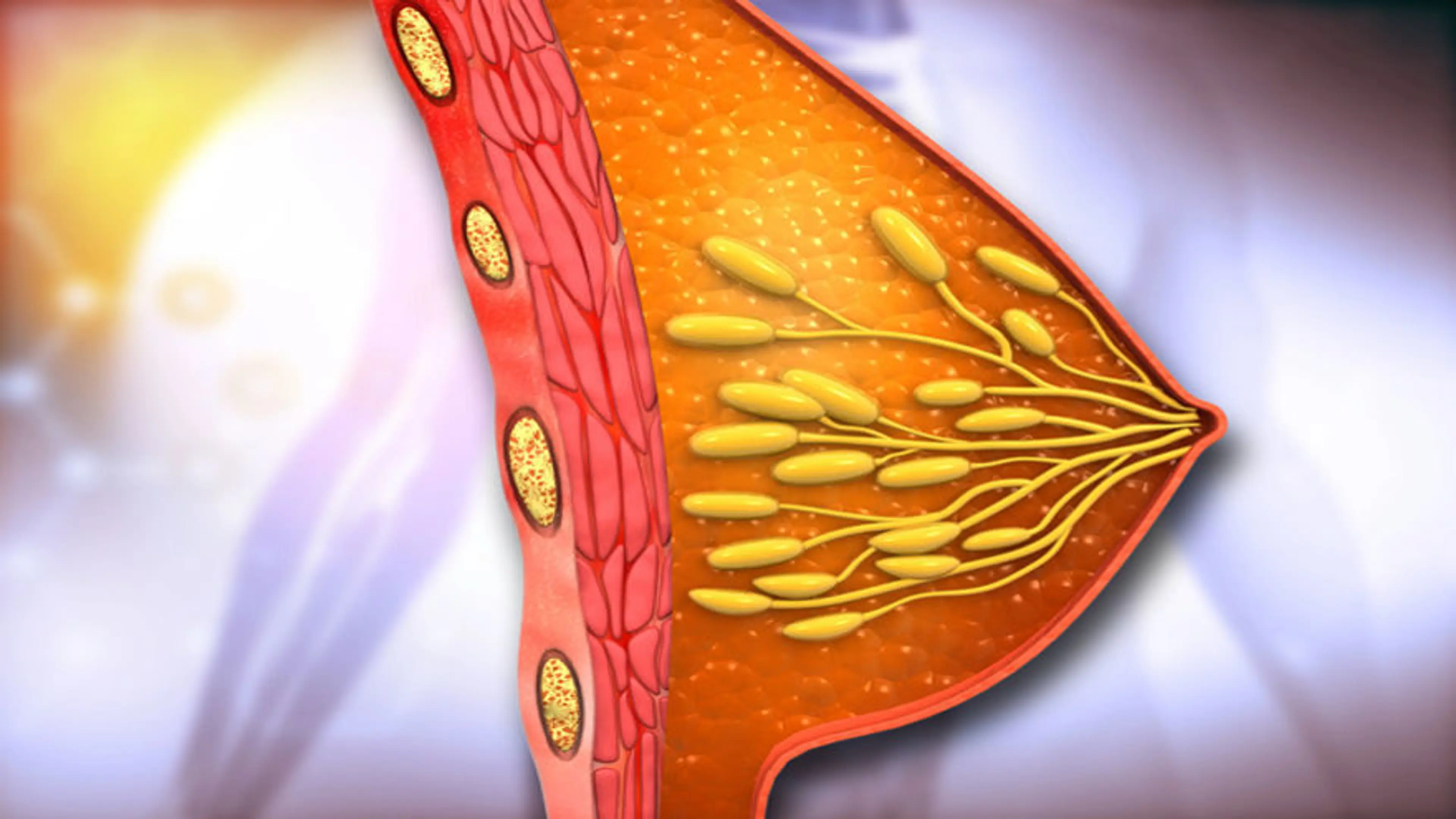
If you’ve undergone—or are planning to undergo—breast surgery, you may have come across the term areola reconstruction. It’s not a topic that’s often highlighted, yet it plays a deeply important role in restoring a sense of wholeness and aesthetic balance for many patients, particularly after mastectomy or complex breast revision procedures.
What many patients don’t realize is that the areola—the pigmented area surrounding the nipple—does more than complete the look of the breast. It carries emotional weight, cultural symbolism, and visual symmetry. At Dite Plastic Surgery, based in Seoul’s renowned Gangnam medical district, we’ve seen how even small refinements like areola reconstruction can significantly enhance a patient’s confidence and emotional recovery after surgery.
This article explores the what, why, and how of areola reconstruction—whether it’s part of a comprehensive breast surgery plan or a standalone step toward aesthetic completion.
Why Areola Reconstruction Matters
why-areola-reconstruction-mattersFor many patients, the physical healing after breast surgery is only part of the journey. Reconstructing the breast mound without the areola can leave the result feeling incomplete—visually and emotionally. Whether you’ve had a mastectomy, breast reduction, augmentation revision, or trauma-related surgery, the areola can act as the final artistic brushstroke in restoring harmony to the chest.
Aesthetic and Emotional Completion
aesthetic-and-emotional-completionThe reconstructed breast may be beautifully shaped and symmetrical—but without an areola, it can feel clinical or unfinished. For some patients, this absence is a constant reminder of past surgery or illness.
We often hear patients say things like:
“I feel strong and proud of my recovery, but when I look in the mirror, I still don’t feel like myself.”
Areola reconstruction helps close that gap—giving patients not just a completed appearance, but a restored sense of femininity, identity, and peace.
Cultural and Personal Significance
cultural-and-personal-significanceIn Korea and across Asia, where subtlety and natural-looking results are prized, restoring the areola to a proportionate size and tone is considered a key finishing touch. Patients often seek a shape and color that complements their skin tone and matches their overall aesthetic goals. At Dite, we customize every areola reconstruction to reflect this level of personal detail.
When Is Areola Reconstruction Needed?
when-is-areola-reconstruction-neededNot all breast surgeries require areola reconstruction. It depends on the procedure and whether the areola has been altered or removed.
You might consider it if:
You've had a mastectomy with nipple-areola removal.
You've undergone breast reconstruction and want to restore a natural look.
Your areola has faded, scarred, or changed shape due to prior surgery or radiation.
You're experiencing asymmetry or loss of pigment after implant revision or lifting.
You've had gender-affirming top surgery and want to finalize the chest appearance.
In our experience at Dite, many patients don’t initially realize that areola reconstruction is an option. It’s often discussed during a secondary consultation—once the main healing process is complete and patients are ready to fine-tune their results.
Techniques Used in Areola Reconstruction
techniques-used-in-areola-reconstruction
There is no single method. The best technique depends on your skin, scar history, breast size, and whether a nipple reconstruction is also being performed. At Dite Plastic Surgery, we focus on delivering natural, 3D outcomes using a mix of medical artistry and precision tools.
Here are the main approaches:
1. Medical Tattooing (Micropigmentation)
1.-medical-tattooing-(micropigmentation)This is one of the most common methods—and one of the least invasive. Using custom pigments matched to your skin tone, we recreate the illusion of a 3D areola (and sometimes nipple) through carefully layered tattooing.
Pros:
pros:Non-surgical
Minimal downtime
Highly customizable in terms of size, shape, and color
Can simulate light, shadow, and projection
Considerations:
considerations:At Dite, we use high-frequency digital machines for precision shading and color retention, with pigments designed specifically for medical applications—not cosmetic tattoos.
2. Surgical Areola Reconstruction
2.-surgical-areola-reconstructionFor patients who prefer a physical areola mound or have enough tissue flexibility, surgical options may be used to elevate the skin and recreate a more tactile projection. This is sometimes combined with nipple reconstruction or fat grafting.
Surgical options include:
surgical-options-include:Local flap techniques to shape the nipple-areola complex
Skin grafting for patients with significant scarring
Scar revision to smooth the areola border
These approaches are more common for post-mastectomy patients and may be performed in a staged manner after initial breast mound reconstruction.
Timing: When to Consider Areola Reconstruction
timing:-when-to-consider-areola-reconstructionTiming matters. Areola reconstruction is typically done after the main breast surgery has fully healed and the final shape has settled—usually around 3 to 6 months post-op.
This ensures:
Scars have matured
Swelling has resolved
Pigment placement (for tattoos) is more accurate
Surgical touch-ups, if needed, are easier to plan
At Dite, we always recommend a personalized surgical roadmap, especially for patients undergoing hybrid breast augmentation or staged reconstructions. We’ll guide you on the right timeline based on your recovery progress and aesthetic goals.
What to Expect During and After the Procedure
what-to-expect-during-and-after-the-procedure
Areola reconstruction—whether surgical or tattoo-based—is typically a short outpatient procedure performed under local anesthesia or numbing cream.
Here’s what recovery usually looks like:
Minimal discomfort for most patients
Light swelling or redness for 2–5 days
Avoiding strenuous chest activity for 1 week
No direct sun exposure or sauna for 2–3 weeks (especially with tattooing)
Color fading is normal at first; final tone stabilizes after 4–8 weeks
Touch-ups may be scheduled after healing to adjust color or shape. At Dite, we offer post-reconstruction color matching and natural shading corrections for refined results.
What Results Can You Expect?
what-results-can-you-expectA well-performed areola reconstruction blends seamlessly with the surrounding breast skin, both in shape and tone. At our clinic, patients often tell us how much more “themselves” they feel after this final step—especially those who have undergone difficult journeys like cancer treatment or multiple revisions.
Here’s what we aim for:
Balanced areola size that suits your breast and frame
Natural color tone (not too pink or too dark)
Subtle 3D shading for realism
Symmetry between both breasts
Minimal scarring, if any
Each reconstruction is tailored—because no two patients have the same skin, shape, or story.
Common Questions About Areola Reconstruction
common-questions-about-areola-reconstructionWill it look natural?
will-it-look-naturalYes—when done well, areola reconstruction should look incredibly natural, especially when done by a specialist trained in both surgical technique and pigment artistry. At Dite, we blend surgical and aesthetic planning to ensure results align with your overall breast contour.
Is it permanent?
is-it-permanentTattoo-based reconstructions may fade slightly over time, depending on skin type and sun exposure. Surgical reconstructions are more permanent but may still evolve slightly with age. Annual reviews are recommended.
Can I choose the size and color?
can-i-choose-the-size-and-colorAbsolutely. During your consultation, we use digital visualization tools to help you preview different sizes and shades before beginning the reconstruction process.
A Final Thought from Dite
a-final-thought-from-diteAt Dite Plastic Surgery, we see areola reconstruction not as an afterthought—but as an integral part of aesthetic restoration. Whether it’s completing a breast reconstruction after cancer or refining a previous surgery result, this small but powerful procedure can bring closure, harmony, and self-confidence back to your body.
If you’re considering breast surgery or are in the recovery phase and wondering what’s next—don’t overlook the importance of this final touch. Your body deserves to feel whole again, in every detail.
Considering Areola Reconstruction?
considering-areola-reconstructionA consultation with Dr. Jun Wook Lee at Dite Plastic Surgery can help you explore whether areola reconstruction is right for you. With over 20 years of experience in breast and body surgery—and a deep understanding of natural Korean aesthetics—we’ll guide you through every option for a personalized, elegant result.
📍Located in Gangnam’s premier medical hub, we welcome both local and international patients seeking refined, body-focused care.
Let your journey to full confidence begin—beautifully, and completely.