Home / Articles
What Is the Cost of Abdominal Surgery for Weight Loss Patients?
Home / Articles
What Is the Cost of Abdominal Surgery for Weight Loss Patients?
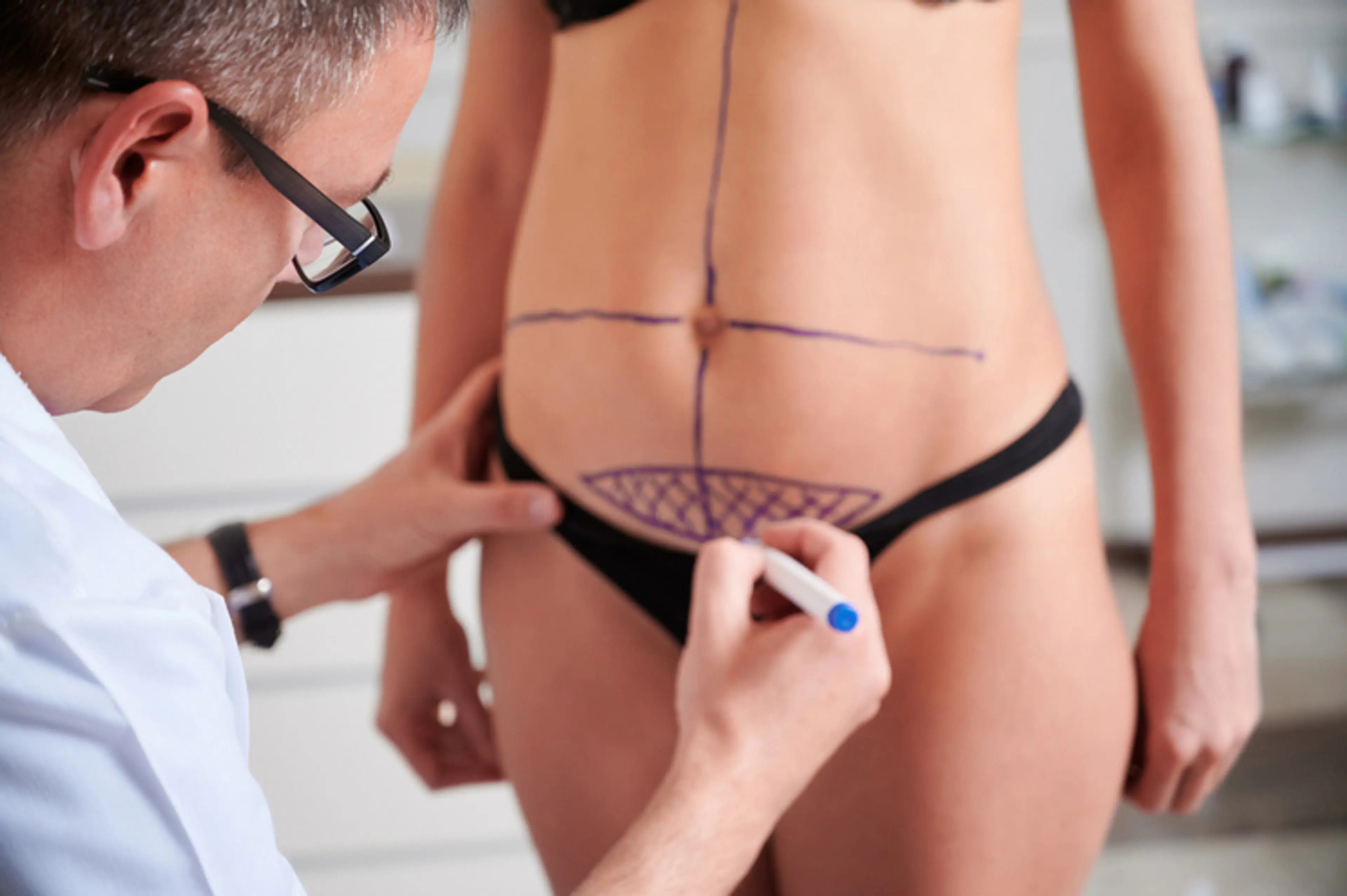
In the aftermath of major weight loss — whether through bariatric surgery or sustained lifestyle change — the physical transformation often comes with a less visible burden: loose, sagging skin around the abdomen. For many, this excess tissue isn’t just a cosmetic issue. It can cause physical discomfort, hygiene challenges, and a lingering emotional disconnect between the "new body" and the reality in the mirror.
Whether you're researching from Seoul or considering medical travel to South Korea, understanding the financial investment involved in abdominal contouring surgery requires looking beyond the price tag. It’s about surgical complexity, medical safety, aesthetic goals, and long-term results.
Let’s explore what really goes into the cost of abdominal surgery after weight loss, and how a body-focused clinic like Dite Plastic Surgery in Gangnam helps patients plan a transformative — and sustainable — outcome.
Each patient's surgical plan is custom — based on how much weight they’ve lost, their remaining skin laxity, their health status, and their aesthetic vision.
The answer lies in the complexity. Post-weight loss abdominal surgery is not a single-step procedure. It often requires:
As of 2025, here’s a general estimate for the cost of abdominal surgery after weight loss in South Korea (converted to USD for clarity):
Procedure | Cost Range (USD) |
|---|---|
Mini Abdominoplasty | $3,500 – $6,000 |
Full Abdominoplasty | $6,000 – $10,000 |
Extended/Fleur-de-lis Tummy Tuck | $9,000 – $14,000 |
Lower Body Lift | $12,000 – $20,000 |
Add-on Liposuction | $2,000 – $5,000 (per zone) |
Surgeon with over 20 years’ experience (Dr. Jun Wook Lee)
Fully accredited OR with hospital-grade monitoring
Post-op compression garments, scar therapy tools, and lymphatic massage packages
High-frequency skin tightening (optional add-on)
Every patient comes with a unique history — and that directly influences cost. Here are the major variables that shape the final quote:
If you’ve lost over 30–40 kg (66–88 lbs), you’re likely looking at an extended tummy tuck or even a circumferential body lift. This increases both surgical time and post-op management needs.
Patients who have had C-sections, bariatric surgery, or abdominal hernia repairs may need more careful dissection or scar revision — adding surgical complexity.
Separation of the rectus muscles requires careful internal suturing to restore abdominal wall integrity. It’s not always visible on the outside, but it's a core part of full tummy tuck pricing.
Most massive weight loss patients benefit from combining abdominal surgery with lateral thigh lifts, flank liposuction, or hip contouring. These combinations save time in overall recovery — but do add to the cost.
At Dite, we offer tailored recovery packages — including hospital-based overnight monitoring, IV nutrition support, manual lymphatic massage, and silicone scar therapy kits. These are optional but often recommended for smoother healing.
We often see patients who underwent a basic tummy tuck elsewhere for a “discount” price, only to return years later needing scar revision, asymmetry correction, or residual fat contouring.
When the initial procedure is rushed or overly simplistic — especially in post-weight loss cases — the true financial and emotional cost can be higher over time.
That said, most international patients coming to Gangnam for body surgery are paying out-of-pocket. At Dite Plastic Surgery, we provide detailed invoices, medical reports, and documentation if you’re attempting reimbursement or applying for medical travel assistance from your country.
Plan for more than just the base surgery fee. Include:
Consultation and imaging
Pre-op bloodwork
Recovery garments and supplements
Extended accommodation (if traveling)
Potential follow-ups or scar care sessions
During your consultation at Dite, you’ll receive a detailed breakdown — not just of cost, but of what’s included, what’s optional, and how long you’ll need to recover before flying or resuming work.
Gangnam has long been known as Asia’s capital of cosmetic surgery — but within that reputation lies a range of quality. Patients today are smarter. They aren’t just shopping for a slim waistline. They want:
That’s what Dite Plastic Surgery was built for. We’ve cared for hundreds of post-weight loss patients — from Korea, Japan, Singapore, and the U.S. — all seeking a redefined silhouette that respects the effort they’ve already put in.
If you’re considering abdominal surgery after weight loss, the first step is a consultation — not a commitment.
At Dite Plastic Surgery, Dr. Jun Wook Lee offers a patient-first approach rooted in advanced contouring technique, anatomical insight, and respect for your journey.